The psychological effects of gambling understanding the mind behind the bet
The Allure of Gambling: An Overview
The psychology behind gambling is deeply rooted in human behavior and emotions. For many, the thrill of placing a bet can create an adrenaline rush that feels exhilarating. This excitement is often linked to the anticipation of potential winnings, making individuals more willing to engage in risky behavior. Understanding this psychological draw is essential to grasping why new online casinos are becoming increasingly popular among players.
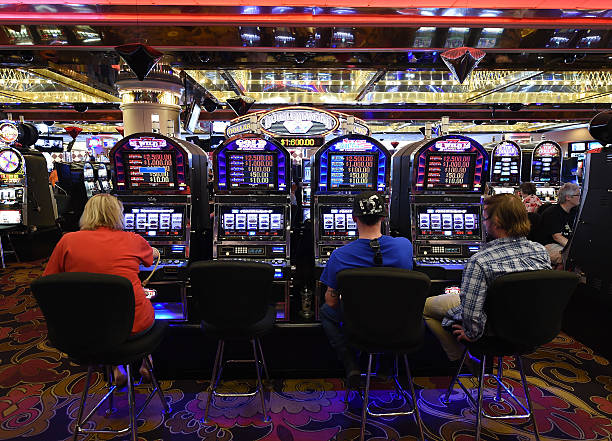
Moreover, the possibility of winning big can lead to a sense of hope and optimism. This feeling can often overshadow the inherent risks associated with gambling. As individuals chase that elusive jackpot, they may lose sight of the reality of their situation, which can lead to compulsive gambling behavior and financial distress.
The Role of Cognitive Biases in Gambling
Cognitive biases play a significant role in the psychology of gambling. One common bias is the illusion of control, where gamblers believe they have influence over random outcomes. This can lead players to develop patterns or strategies that they believe will increase their chances of winning, despite the nature of games being fundamentally based on chance.
Another prevalent cognitive bias is confirmation bias, where individuals focus on their wins and ignore their losses. This skewed perception can reinforce the idea that they are “on a winning streak,” encouraging further gambling. Together, these biases contribute to a distorted understanding of risk and reward in gambling scenarios.
The Impact of Emotion and Mood on Gambling Behavior
Emotions significantly influence gambling decisions. Stress, anxiety, and depression can push individuals to seek solace in gambling as a form of escapism. For some, the act of placing a bet serves as a temporary distraction from life’s challenges, often leading to a cycle of reliance on gambling for emotional relief.
Conversely, euphoric feelings, such as excitement from a recent win, can spur excessive gambling. The emotional highs and lows tied to gambling can create a rollercoaster effect, making it challenging for individuals to regulate their behavior. This emotional volatility underscores the intricate connection between mental health and gambling practices.
The Consequences of Problem Gambling
Problem gambling can lead to severe psychological and social repercussions. Individuals who struggle with gambling addiction often experience feelings of guilt, shame, and isolation. The impact extends beyond the individual, affecting relationships with family and friends, creating a web of emotional turmoil.
Financial hardships are another serious consequence, as individuals may deplete savings or incur debt to sustain their gambling habits. Recognizing the signs of problem gambling is crucial for intervention, as the early stages of awareness can lead to healthier choices and recovery efforts.

Finding Balance: Understanding Responsible Gambling
Responsible gambling emphasizes the importance of understanding one’s limits and seeking help when necessary. Numerous resources are available to assist individuals struggling with gambling-related issues, including counseling and support groups. By fostering awareness and education about the psychological effects of gambling, we can cultivate a healthier relationship with betting activities.
As players navigate the gambling landscape, recognizing the psychological components at play is vital. Understanding the mind behind the bet can empower individuals to make informed decisions and prioritize their well-being, ensuring a more enjoyable experience.